Blog
Home Care vs. Care Homes – What’s right for you or your loved one?
Published: 1 December 2025
Read time: 7 mins 20 sec
When a loved one needs extra support, choosing between home care and a care home can feel overwhelming. Both offer valuable options, but suit different needs and lifestyles. In this guide, we’ll explore the key differences between home care and care homes – helping you make an informed, confident choice.
What is home care?
Home care is support delivered in your own home, allowing your loved one to remain in familiar surroundings while receiving the help they need. This might include daily visits from a carer to assist with washing, dressing, cooking, medication or mobility.
Home care can be tailored to specific needs. It can range from a few hours a week to live-in care, and is often ideal for those who want to stay independent but need a bit of extra support.
What is a care home?
A care home is a residential setting where individuals receive 24-hour support from highly trained staff. There are different types of care homes, including residential homes, nursing homes, and specialist dementia care facilities.
Care home benefits include regular activities, nutritious food, a sense of community to combat loneliness, and peace of mind for families knowing their loved one is safe and supported around the clock.
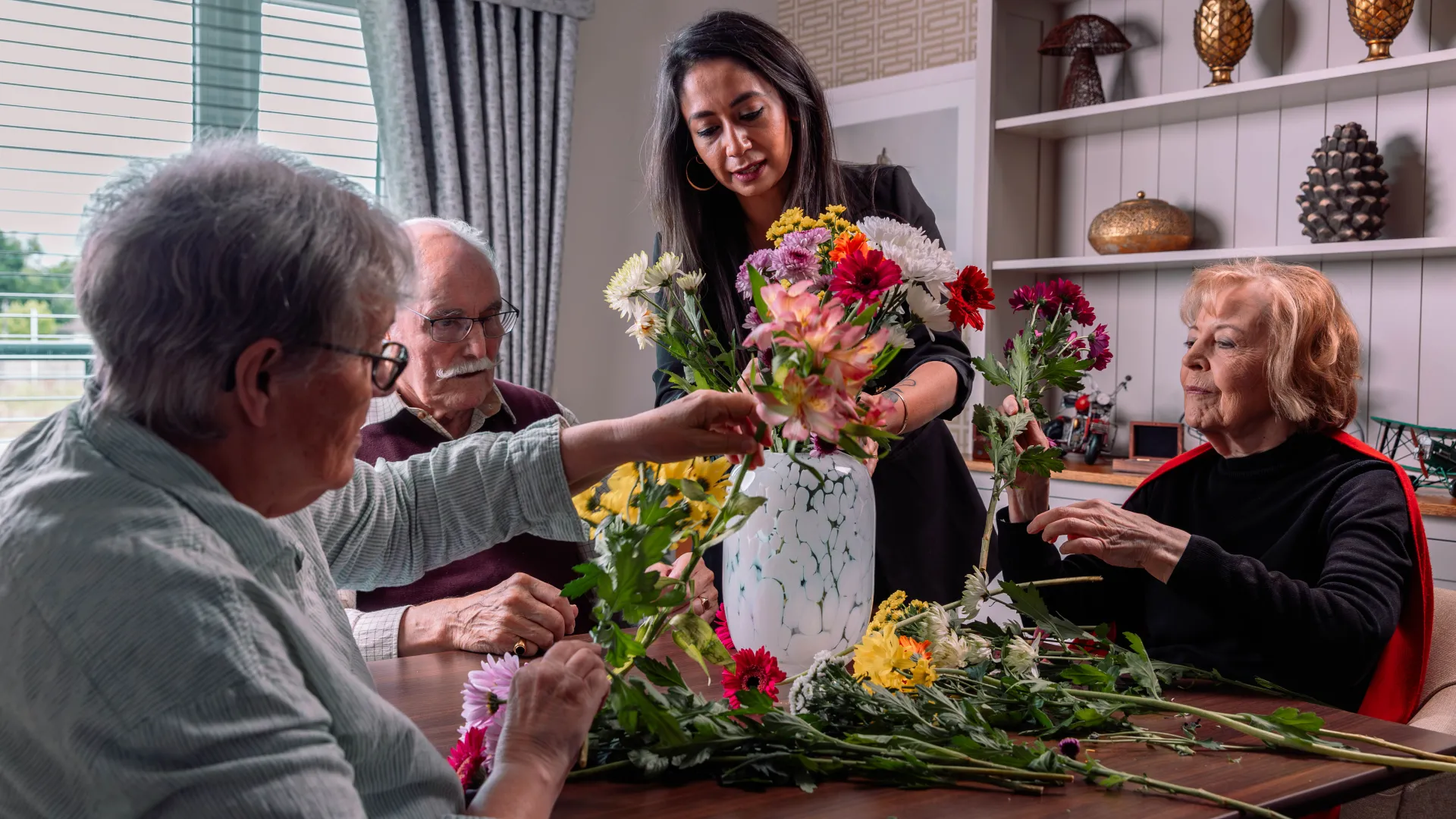
Socialisation is a key benefit of life in a care home, and at Barchester, our dedicated activities teams ensure plenty of opportunities for day trips and events. Activities are inclusive and are built around abilities, meaning there’s always something to do and be involved in. No two days are the same in a Barchester care home.
An active schedule gives residents the chance to spend time with others – providing companionship and support. Visitors are welcome at any time, and are encouraged to take part in activities where suitable.
All of our homes have garden spaces, ensuring that residents can enjoy the outdoors whenever they wish. In some instances, those living at home may struggle to leave, and can sometimes spend a lot of time in one room.
At Barchester, we operate over 220 homes across the UK – each with a person-centred approach to care, and comfortable and high-quality environments for the people we care for.
Learn more about the types of care available in Barchester’s care homes.
Comparing the two options
Understanding the difference between home care and care homes can help you decide what’s right for your own or a loved one’s situation.
Home care allows you to stay in the comfort and familiar surroundings of your own home. The care and support you receive can be flexible, and is tailored to your needs, but is less frequent and for shorter periods of time. In most cases, the visiting carer is assigned to you. However, other carers may visit from time-to-time. It’s important to maintain a circle of support in family and friends to ensure social interaction which may be limited with home care.
Care homes, on the other hand, offer supportive settings for individuals to move into – thoughtfully designed to provide comfortable, compassionate, and fulfilling living environments that promote independence for as long as possible. With round-the-clock care and supervision, purpose-built facilities and a built-in community, care homes are a great option to ensure that your loved one can continue to live a fulfilling life.
Barchester care homes are designed with ease in mind. There are plenty of facilities onsite, including hair salons, cafés, and a choice of lounges and dining rooms – giving your loved one the opportunity to be as social as they like, or to find moments of calm.
At Barchester, our teams get to know each individual to truly understand their preferences and life stories, so that everything from their care and daily routines, to their mealtimes and activities are completely tailored to them.
We’re very keen to integrate with local communities, which is why schools are regularly invited into our homes, and residents are encouraged to remain part of any clubs and societies they were a part of before they moved in.
Each care option has its own benefits, and the right choice often depends on health needs, lifestyle, and personal preferences.
Financial considerations
A key factor in any care decision is cost. Home care is typically charged hourly, making it potentially more affordable for those needing less support. However, as needs increase, so do costs, especially if 24-hour or overnight care is required.
Care homes do offer additional benefits here, in that everything is taken care of. There’s no need to worry about your loved one coping with bills, shopping, cleaning and the garden, as everything is covered.
Care home fees are usually all-inclusive, covering accommodation, bills, meals, entertainment and care. At Barchester we aim to be as transparent on fees as possible with useful guides and support for families at all stages of the process, as factors such as where you live can determine the fees you pay. If you’re considering care homes it’s important to understand what’s included and whether the care home is equipped to meet both short- and long-term needs. Find out how much care homes cost.
Specialist care for dementia
For those living with dementia, specialist support is essential. While home care can provide familiarity and comfort, it may not always offer the consistency, expertise or safety needed as the condition progresses.
Many care homes, including Barchester’s, provide dedicated dementia care with well-trained teams, secure environments, and tailored routines – helping individuals feel safe and supported.
Our Memory Lane Communities are designed specifically with those living with dementia in mind. We know a safe environment is important, and our homes are designed especially for that – supporting independence through wayfinding, and reducing distress with visual prompts and relaxing environments. Every member of our team is also trained in specialist dementia care, to provide the very best care and support possible.
How to make the right decision
There’s no one-size-fits-all answer, but it’s important to consider your loved one’s current health and care needs and how much support is required day to day. Would they benefit from social interaction, and is their current home environment suitable for their needs? It can be hard to plan for the long-term, but it’s crucial to consider their potential changing needs, and whether a home environment or care environment is more suited.
A critical factor to consider is where your loved one would feel most valued. In Barchester care homes, routines and interests are a core focus of residents’ day-to-day. This might mean that a resident tends to a garden, or hosts discussion groups and clubs, even assists the maintenance person!
Speak with healthcare professionals, involve family, and don’t hesitate to explore both options through visits or assessments.
Why choose Barchester?
With over 30 years' experience, we’re trusted by families across the UK and have supported and reassured thousands of people with varying care needs. Our team takes time to understand each individual, and take more than their care needs into consideration. We seek to learn about the things that matter most and the things that make them unique – their likes, dislikes and life stories. We encourage families to stay involved in every aspect and decision around their loved one's care, and develop care and support plans as a person’s needs develop.
With decades of experience, specially trained staff, and a focus on dignity and respect, we’re here to support your decision every step of the way.
Ready to talk?
If you’re considering care options for yourself or a loved one, we’re here to help. Contact your local care home today to meet with our friendly team, book a visit, or arrange a care assessment.